
IRIS Neural
The other way of having it.
Infinity Neural tunes one detection for your scene. IRIS is the opposite: a system you install that covers the whole installation, with the video, the rules and the alerts in one place. Everything it does is here. The detail, and the scenes you can play with, are on its own site.
What it is, in one sentence.
An NVMS: a video management system that also understands what is happening in the scene.
A classic VMS solved recording, and solved it well: it stores the video, it orders it and it lets you go back to it. For twenty years that was the job. What changed was not the VMS, it was the number of cameras: when you go from twelve to six hundred, storing stops being the problem and watching becomes the problem.
IRIS starts where the VMS finishes. It interprets what is in the image —objects, areas, times, context—, applies the rules your organisation has written and turns the video into two things that did not come out of it before: alerts when something happens, and numbers when nothing happens. Because not everything that matters is an alarm.
Four things that usually decide it.
- It works without internet. It can be deployed entirely inside your premises: the video, the models, the searches and the rules run there and do not leave. For a lot of people this is the first question and the last.
- It does not force you to change the cameras. It is built to use the video you already have when the integration allows it. When a camera is not up to what you want, that is said at the site visit, not on the day of the incident.
- The rules are yours. What deserves an alert at four in the morning is known by whoever knows the operation. IRIS automates applying them all the time; deciding them, no.
- It lives alongside what you already have. It can be the whole system or sit next to the one that is there, and that is decided after looking at your camera network, not before.
Twelve things it knows how to do.
They are not twelve products: they are twelve parts of the same system, and you switch on the ones you need.
- Live and video wall — hundreds of cameras and a wall with a few monitors, which is what there really is in a control room.
- Detection and behaviours — a camera records, it does not watch; this is what makes it look.
- Recording and forensics — tens of thousands of hours a month, and the day something happens you have to find thirty seconds.
- Search by appearance — you have a description and thousands of hours; you search by what was seen, not by the time.
- Number plates and access — to stop running a barrier with cards that get lent and remotes that get lost.
- Incidents and control room — detecting is not deciding: here an alert is opened, assigned and closed.
- Rules and automations — a new rule stops being a job that gets invoiced as integration.
- Chat and artificial intelligence — the answer is already in the system, spread across six screens; this brings it together.
- Maps, floor plans and territory — without asking an outside supplier for them, which is what almost everybody does.
- Video conferencing and collaboration — something happens and it has to be decided between three people in three different places.
- Platform, scale and integration — big systems rarely fail because of the AI; they fail because of the plumbing.
- Administration and audit — people, number plates and access are the most sensitive things an organisation has.
Where it is installed.
IRIS goes into a hospital the same way it goes into a loading bay; what changes is what you ask it to understand. These are the twenty environments built on its site, with the scenes running. Go into the one that looks like yours.
 The cityTraffic, public roads and emergencies
 The roadIncidents, carriageway and road condition
 Public transportPlatforms, entrances and customer service
 RetailShop floor, queues and footfall
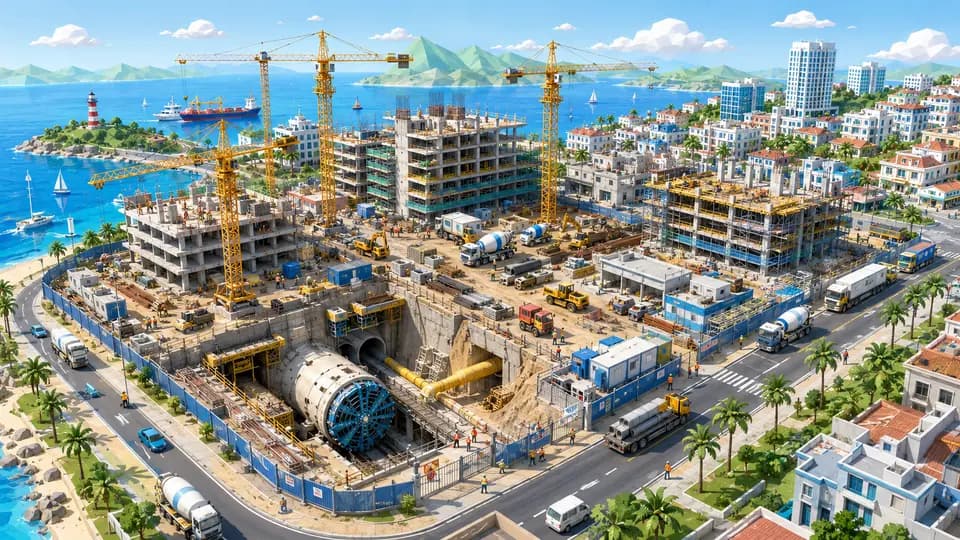 The building sitePPE, machinery and perimeter
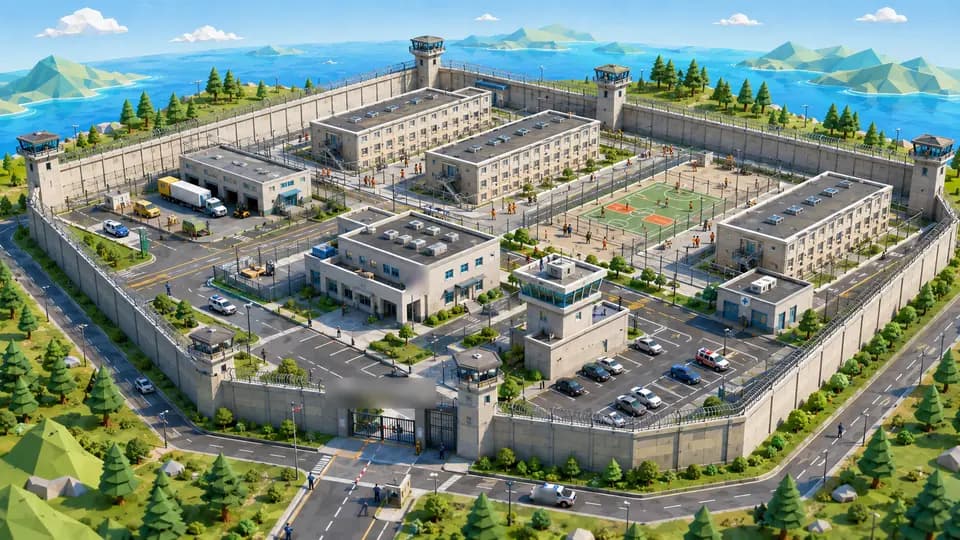 The prisonOrder, people and perimeter
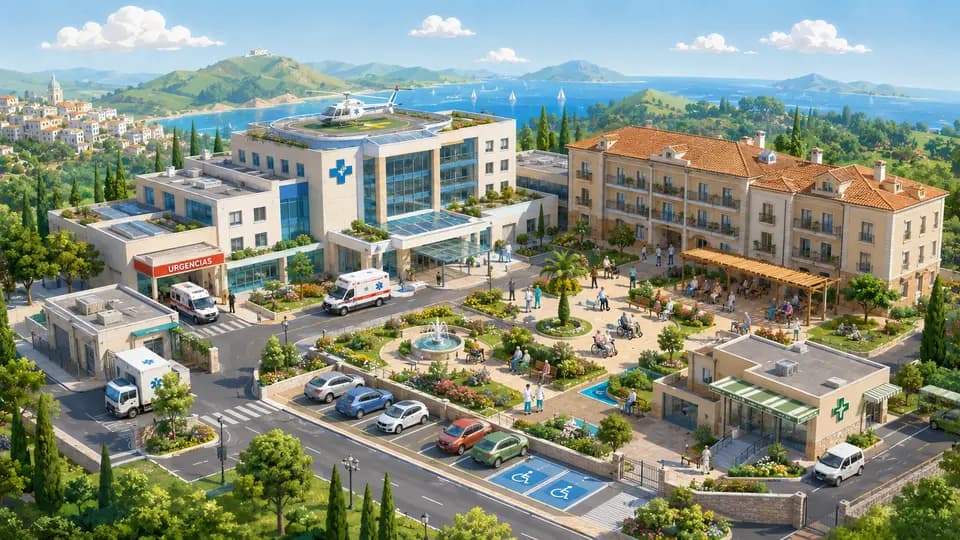 The hospitalPatients, wards and equipment
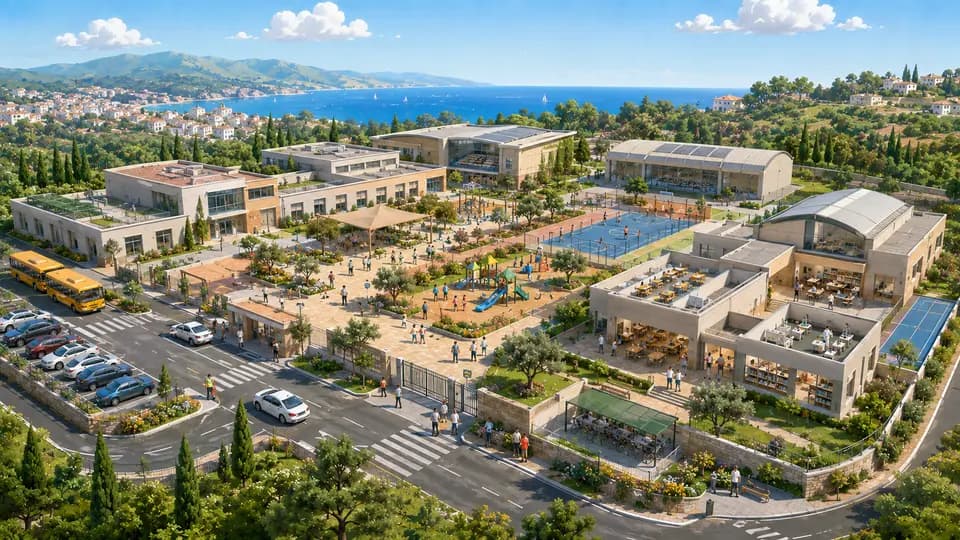 The schoolEntrances, playgrounds and arrivals
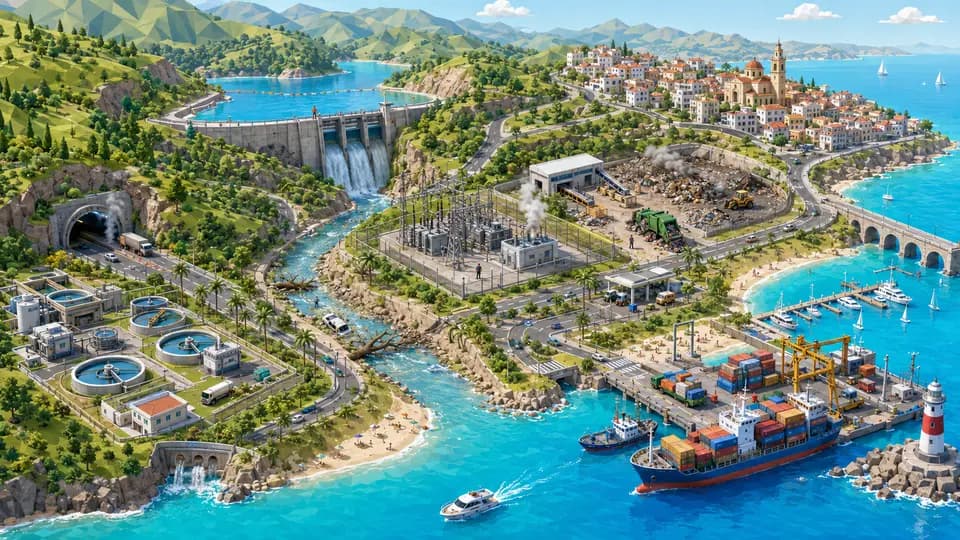 InfrastructureFences, substations and railway line
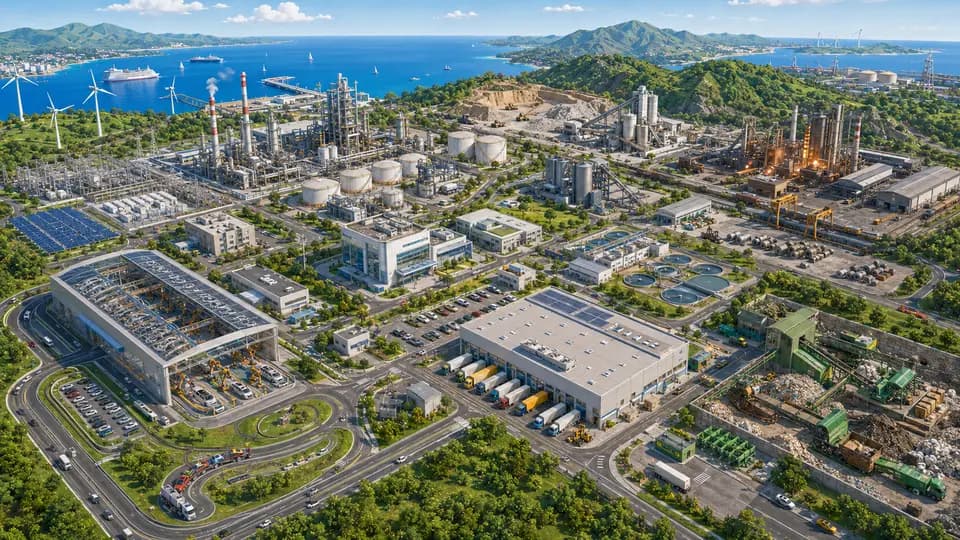 IndustryPlant, lines and risk areas
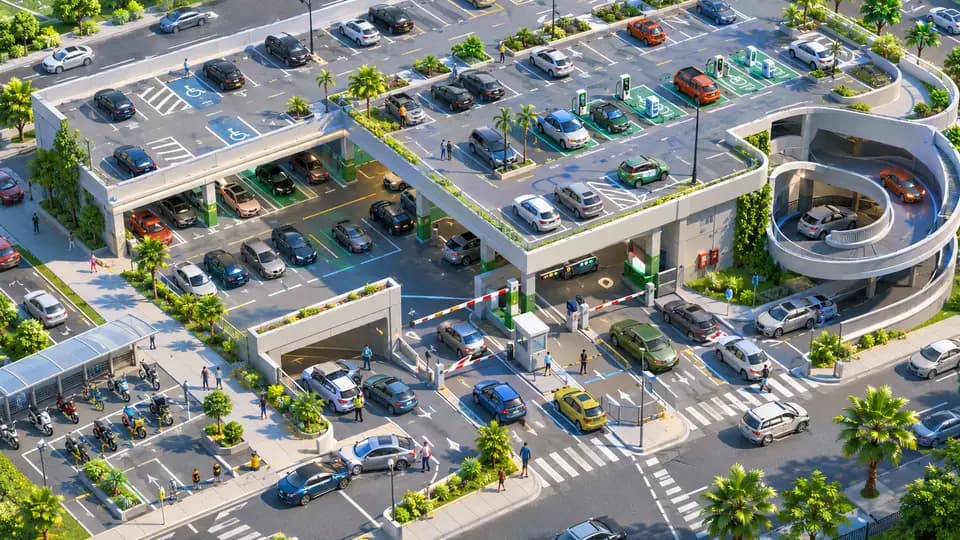 Car parksBays, entrances and number plates
 StadiumsOccupancy, entrances and exits
 HotelsReception, communal areas and service
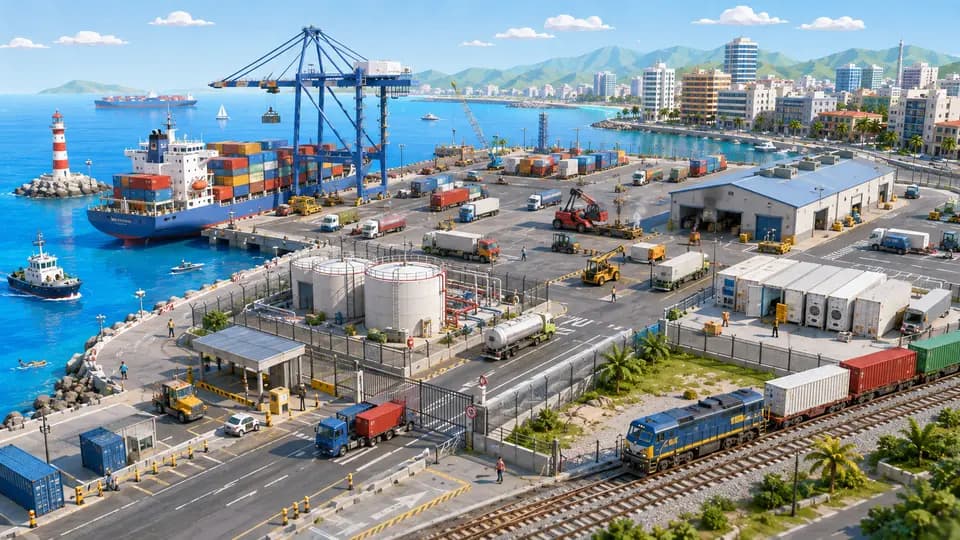 PortsQuays, manoeuvring and containers
 BankingBranch, cash machines and entrances
 CasinosFloor, tables and entrances
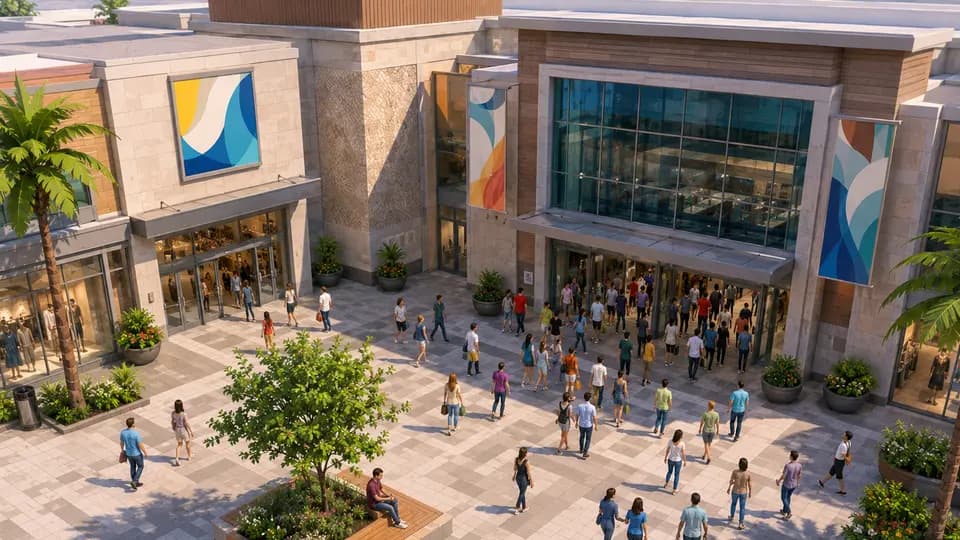 Shopping centresFootfall, malls and car park
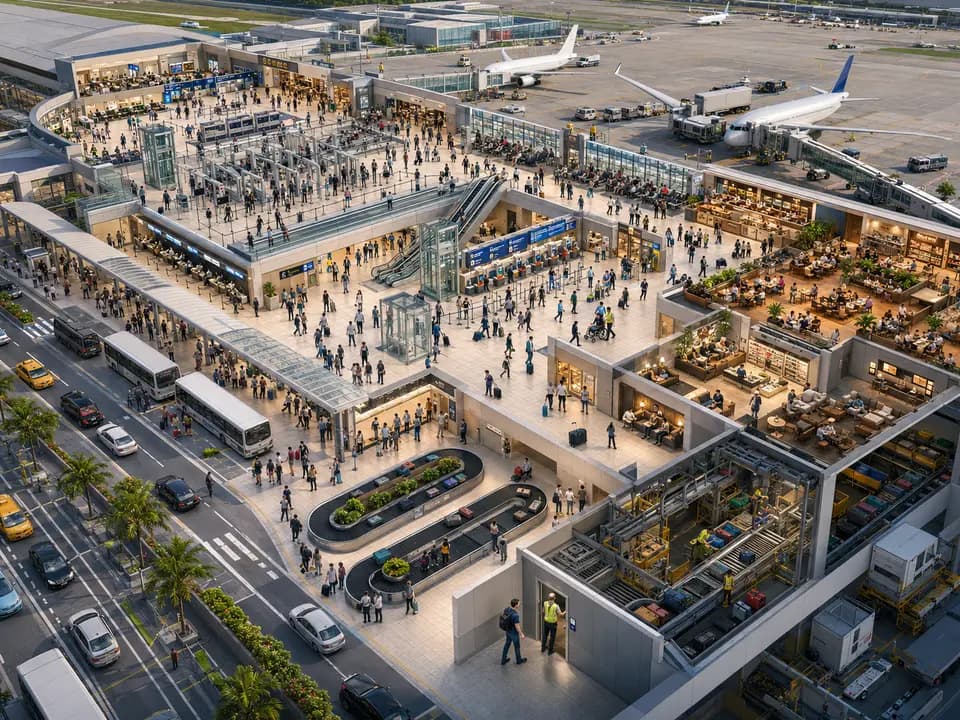 AirportsTerminal, apron and perimeter
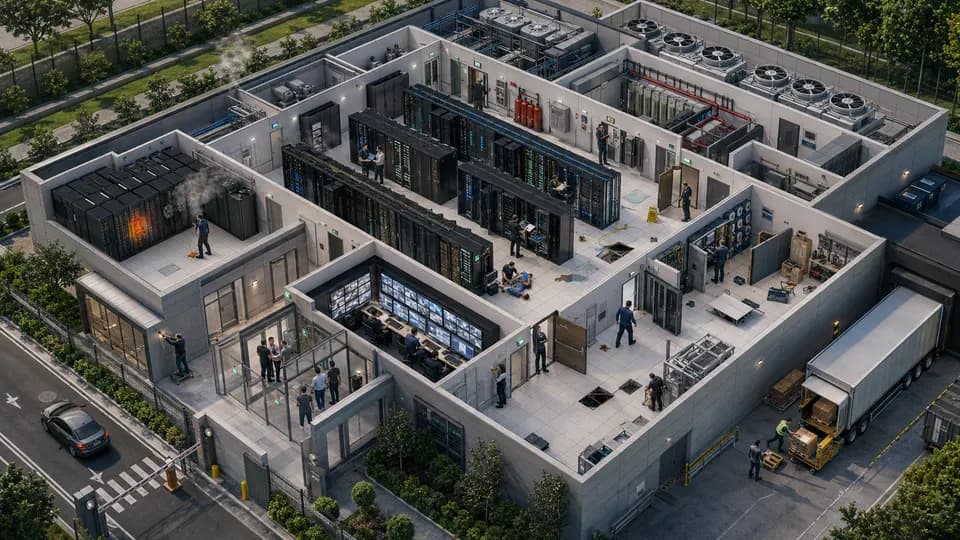 Data centresAisles, racks and entrances
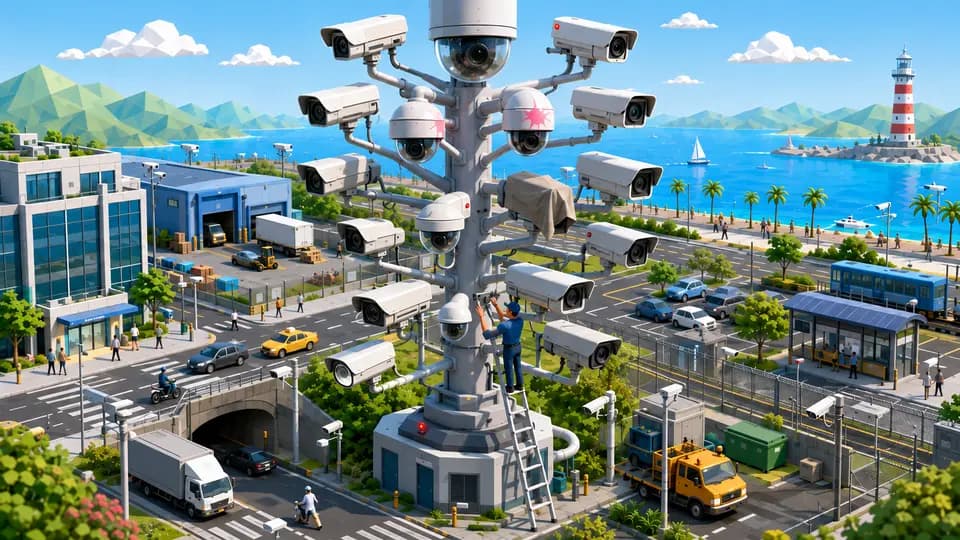 Camera healthWhich camera has stopped seeing properly
What it is not going to do for you.
Save you the work of deciding. IRIS does not know what matters inside your installation, and nobody outside it does. We know how to make a camera understand what it sees; what deserves to wake somebody up at four in the morning is something you know.
Run on its own. The projects that turn out well have a person with a name inside them —the head of security, of operations, of the plant— who decides what is watched and what changes when the operation changes. The ones that fade out are the ones without that person.
Fix a badly positioned camera. There are angles that are not good enough to read a number plate, and software does not fix that: moving the column fixes it. And there are things you want to measure that are not in the image at all and need other equipment.
Be worth anything if the shift carries on the same. If the team is going to watch the same screens as yesterday, this is an expense. It is worth it when the way of working changes.
More information.
That is as much as you need to know to decide whether it fits you. What comes after that is better seen by playing with it.
The IRIS site ↗
The twenty environments with their scenes, the twelve capabilities set out in full, the frequently asked questions and the technical detail.
The Infinity way, made to measure
The other way: one detection tuned for your particular scene, organised into six families by colour.
The certificates
Twelve of them, each with what it saves you: the seven ISOs, the ENS, NIS2, the CEM approval and the two installer authorisations.
How to choose
The two side by side, with what really decides it: how many cases, how much accuracy and whether there is a deadline.
Get started
Show us one of your cameras.
You tell us what you would want to know from one of your cameras and we tell you whether it can be done, with which of the two and what it would take. If that camera is not good enough, we tell you that too.